
Ecom Tools for Scaling and Optimizing Online Stores in 2026
🎁 Premium tools for just €26.25 with the SPYBOX BLOGSPYBOX20 !
You run an online store in a competitive market where speed, data, and efficiency decide your margins. Ecom tools give you the systems you need to research products, manage inventory, automate pricing, create content, and streamline operations from one place.
Ecom tools are software platforms that help you find products, manage listings, automate workflows, and scale your online store with less manual work. Instead of juggling multiple disconnected apps, you use purpose-built solutions designed for ecommerce across platforms like Amazon, Walmart, Shopify, and other marketplaces.
As you grow, basic tools stop being enough. You need deeper analytics, smarter automation, and integrated systems that support sourcing, repricing, fulfillment, and marketing so you can focus on strategy instead of repetitive tasks.

Core Ecom Tools and Their Benefits
Running an online store requires tools that help you find products, build your storefront, accept payments, and manage orders efficiently. Each category supports a specific operational need and directly affects your margins, customer experience, and ability to scale.
Product Research Platforms
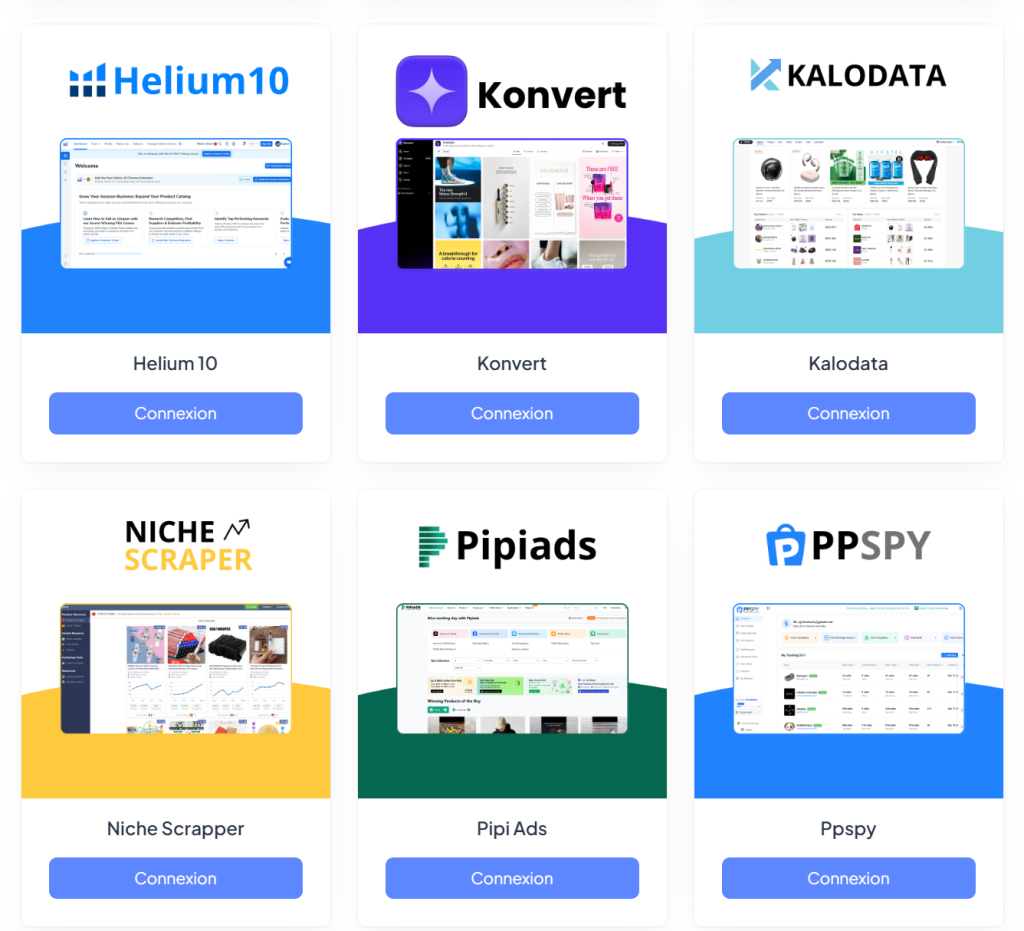
Product research platforms help you identify what to sell before you invest in inventory or advertising. You use them to analyze demand, pricing trends, competitor activity, and product saturation across marketplaces and social platforms.
🎁 Use the SPYBOX coupon BLOGSPYBOX20 to get premium tools for just €26.25!
Most platforms include features such as:
- Trend tracking across TikTok, Instagram, and major marketplaces
- Sales estimates and revenue projections
- Competitor store monitoring
- Ad performance insights
- Product database filtering by niche, price, or engagement
These tools reduce guesswork. Instead of relying on intuition, you review measurable data such as engagement velocity, store longevity, and pricing consistency.
For dropshipping and discovery-based brands, this insight helps you validate product-market fit quickly. You can compare supplier costs against projected selling prices and calculate realistic margins before launching campaigns.
Storefront Builders
Storefront builders allow you to design, launch, and manage your online store without custom coding. Platforms such as Shopify and similar ecommerce solutions provide templates, hosting, and built-in integrations.
You control:
- Product pages and collections
- Checkout design
- Mobile responsiveness
- App integrations for marketing and analytics
A strong builder improves load speed and user experience, which directly affects conversion rates. Clean navigation, structured product descriptions, and optimized checkout flows reduce cart abandonment.
Most builders also support plugins for email marketing, upsells, subscriptions, and analytics. This flexibility allows you to expand functionality as your business grows.
You benefit from centralized dashboards that track sales, customer behavior, and traffic sources in real time. That visibility helps you adjust pricing, promotions, and inventory based on actual performance data.
🎁 Get premium tools for just €26.25 by using the SPYBOX coupon BLOGSPYBOX20!
Payment Processing Solutions
Payment processing solutions allow you to securely accept credit cards, digital wallets, and alternative payment methods. Providers such as Stripe, PayPal, and native ecommerce gateways handle authorization, fraud checks, and transaction settlement.
Key components include:
- PCI compliance and encryption
- Fraud detection tools
- Multi-currency support
- Subscription and recurring billing options
Reliable processing reduces failed transactions and chargebacks. If your checkout declines legitimate payments, you lose revenue immediately.
You also need transparent fee structures. Processing fees typically include a percentage of each transaction plus a fixed amount, so small pricing changes can impact net margins.
Modern processors integrate directly with your storefront and order system. This synchronization ensures automatic payment confirmation, faster fulfillment, and accurate accounting records.
Order Management Systems
Order management systems (OMS) coordinate inventory, fulfillment, shipping, and returns from a single interface. As order volume increases, manual tracking through spreadsheets creates errors and delays.
An OMS helps you:
- Sync inventory across multiple sales channels
- Automate order routing to suppliers or warehouses
- Generate shipping labels
- Track delivery status
- Manage returns and refunds
Real-time inventory syncing prevents overselling. When stock levels update automatically, you avoid canceling paid orders due to supply issues.
For multi-channel sellers, an OMS consolidates orders from your website, marketplaces, and social shops into one dashboard. This reduces fulfillment time and improves accuracy.
Clear tracking updates and automated notifications also improve customer experience. Customers receive timely shipping confirmations and status updates, which reduces support tickets and disputes.
🎁 Use the SPYBOX coupon BLOGSPYBOX20 to get premium tools for just €26.25!
Advanced Tools for E-Commerce Growth
Serious growth depends on automation, accurate data, tight inventory control, and responsive support. The right tools connect these areas so you can increase revenue without increasing operational strain.
Marketing Automation Platforms
Marketing automation platforms help you convert traffic into repeat customers with structured, data-driven campaigns. Tools like Omnisend and Klaviyo combine email, SMS, and push notifications into a single workflow.
You can build automated sequences such as:
- Abandoned cart reminders
- Post-purchase follow-ups
- Replenishment campaigns
- Win-back flows
Advanced platforms segment customers by behavior, purchase history, and predicted lifetime value. This allows you to send targeted offers instead of broad promotions.
Look for features like visual workflow builders, revenue attribution reporting, A/B testing, and deep integrations with platforms like Shopify or WooCommerce. Strong automation reduces manual work while increasing repeat purchases and average order value.
Analytics and Reporting Tools
Analytics tools show you where revenue comes from and where you lose it. Platforms such as Google Analytics, Glew, and other eCommerce-focused reporting systems track customer journeys, cohort behavior, and lifetime value.
You should monitor metrics like:
| Metric | Why It Matters |
|---|---|
| Conversion rate | Measures store effectiveness |
| Customer acquisition cost | Controls marketing spend |
| Lifetime value | Guides retention strategy |
| Cart abandonment rate | Identifies checkout friction |
Advanced tools provide funnel visualization, cohort analysis, and revenue reporting tied to specific campaigns. This level of detail helps you adjust pricing, promotions, and ad spend with measurable impact.
Choose systems that integrate directly with your store, ad channels, and CRM. Clean data and unified dashboards prevent misinterpretation and improve decision-making speed.
Inventory Tracking Solutions
Inventory tracking solutions protect margins by reducing stockouts and overstock. Tools like Cin7 and other inventory management platforms sync inventory across online stores, marketplaces, and warehouses.
Real-time tracking allows you to:
- Monitor stock levels across locations
- Automate low-stock alerts
- Forecast demand based on sales velocity
- Manage purchase orders and suppliers
Accurate forecasting prevents tied-up capital in slow-moving products. It also reduces missed revenue from unavailable items.
Look for multi-channel syncing, barcode scanning support, and integration with accounting software. If you sell internationally or across multiple platforms, centralized inventory control becomes essential to avoid fulfillment errors and customer dissatisfaction.
Customer Support Software
Customer support software improves retention by resolving issues quickly and consistently. Tools such as Help Scout and similar help desk platforms centralize email, chat, and social inquiries.
Key features to prioritize include:
- Shared inboxes for team visibility
- Automated ticket routing
- Saved replies and knowledge bases
- Performance reporting by agent
Integrated customer profiles allow your team to see order history, previous conversations, and shipping status in one place. This reduces response time and eliminates repetitive questions.
Fast, accurate support increases customer satisfaction and repeat purchases. When your help desk integrates with your eCommerce platform, you reduce friction and maintain a consistent brand experience across every interaction.
🎁 Use the SPYBOX coupon BLOGSPYBOX20 to get premium tools for just €26.25!
Frequently Asked Questions
Choosing the right ecom tools affects your margins, workflow speed, and customer experience. You need reliable platforms, clear automation features, accurate analytics, strong marketing integrations, scalable operations, and built-in security controls.
Which platforms offer the best all-in-one stack for running an online store?
You will find the strongest all-in-one stacks on platforms like Shopify, BigCommerce, and WooCommerce with curated plugin ecosystems.
Shopify provides hosting, payments, checkout optimization, app integrations, and built-in analytics in one dashboard. BigCommerce offers strong native features for multi-channel selling and B2B. WooCommerce gives you flexibility and control if you manage hosting and development.
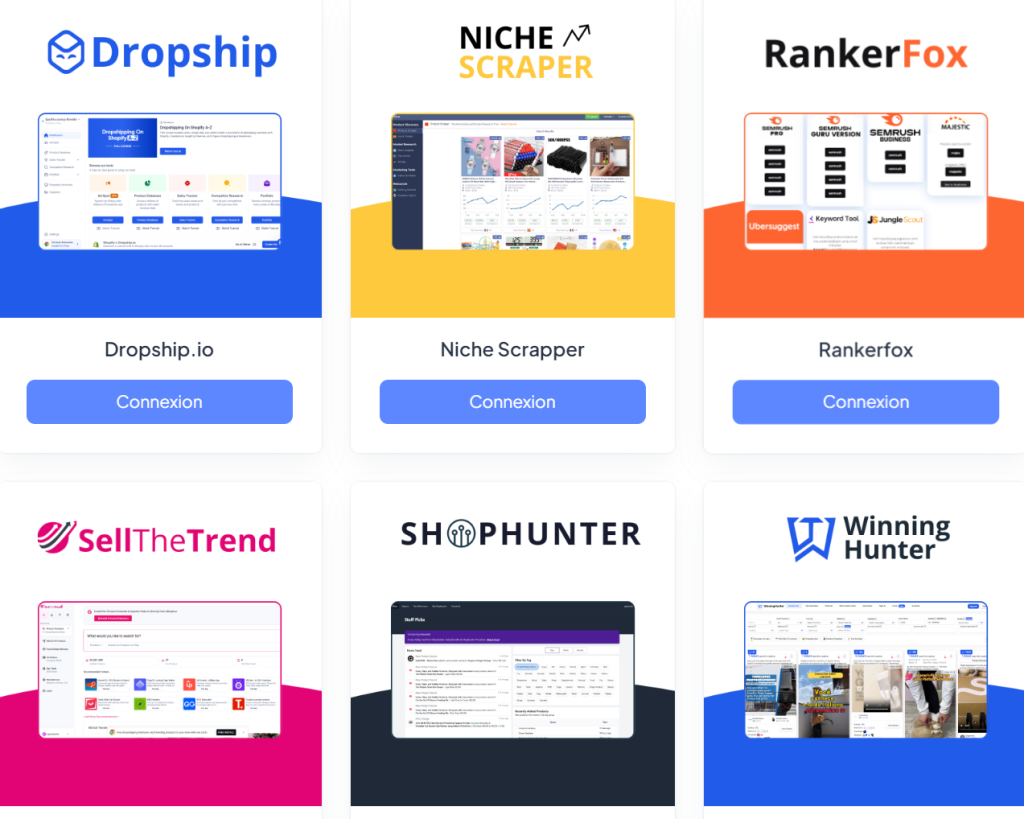
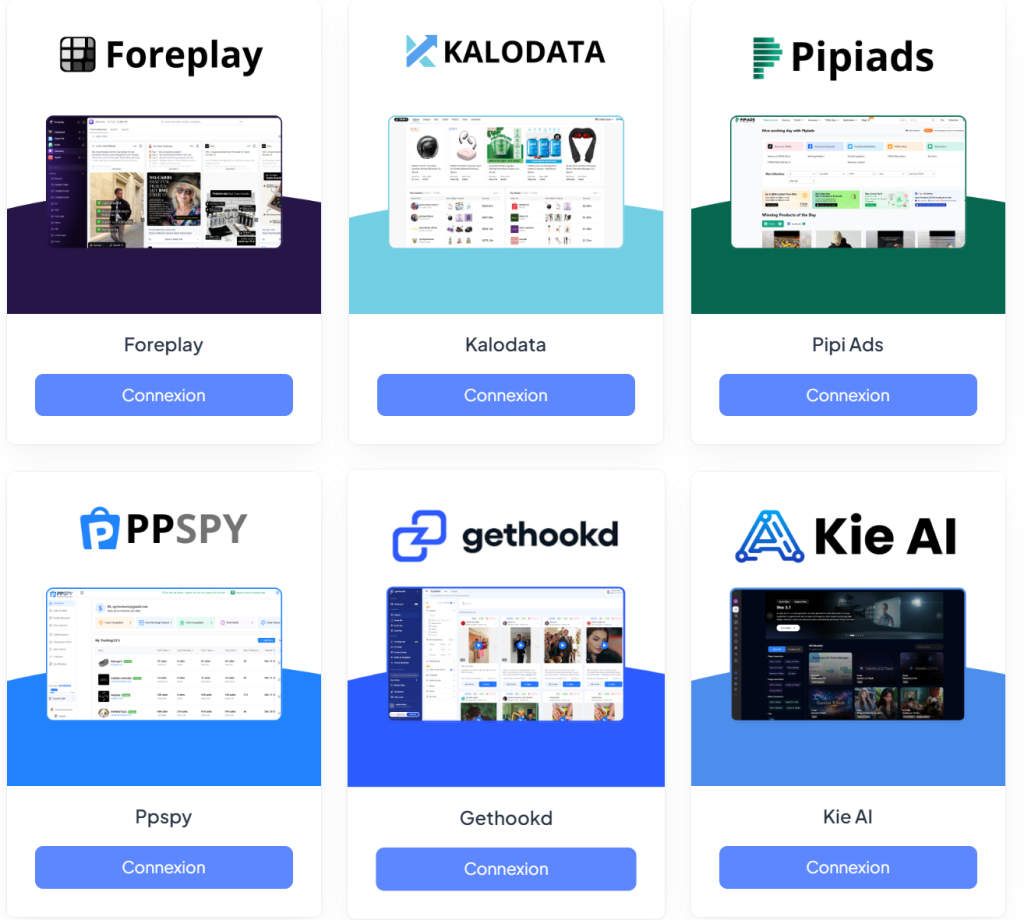
If you want bundled research and creative tools, some subscription services group product research, AI utilities, and design tools under one membership. These can reduce tool overlap, but you should verify tool quality and ongoing updates before relying on them.
What features should I prioritize when comparing automation and workflow solutions?
Focus on automation that directly reduces manual tasks in fulfillment, marketing, and customer support.
Look for rule-based workflows, triggered email or SMS sequences, abandoned cart recovery, inventory syncing, and auto-order routing to suppliers. Clear reporting dashboards and error alerts prevent small issues from becoming operational problems.
You should also confirm API access and native integrations with your storefront, ad platforms, and CRM. Without tight integration, automation breaks down.
How can I improve conversion rates using analytics and attribution software?
You improve conversion rates when you track behavior at each step of the funnel.
Use tools like Google Analytics 4, Shopify Analytics, or third-party attribution platforms to monitor traffic sources, bounce rates, checkout abandonment, and average order value. Pair this data with heatmaps and session recordings from tools like Hotjar or Microsoft Clarity.
Attribution software helps you identify which ads, keywords, or influencers drive profitable conversions. Shift budget toward high-return channels and refine underperforming landing pages based on actual user behavior.
What are the top options for email, SMS, and push marketing that integrate with my storefront?
You should prioritize platforms that sync directly with your ecommerce backend.
For email and SMS, tools like Klaviyo, Omnisend, and Postscript integrate with Shopify and other major platforms. They support segmentation, automated flows, abandoned cart reminders, and post-purchase campaigns.
For push notifications, consider tools like PushOwl or OneSignal. Make sure your marketing platform syncs customer data, order history, and browsing activity in real time.
How do I choose inventory and order management software that scales with growth?
Select software that supports multi-warehouse tracking, real-time stock updates, and automated reorder points.
Systems like TradeGecko (QuickBooks Commerce), Cin7, and ShipBob help you manage inventory across online stores, marketplaces, and fulfillment centers. You need centralized visibility to avoid overselling or stockouts.
Check for batch tracking, supplier management, and demand forecasting features. As order volume grows, manual spreadsheets will not keep up.
What security, compliance, and fraud-prevention capabilities should I require before launching?
You must require SSL encryption, PCI-DSS compliant payment processing, and secure checkout by default.
Enable two-factor authentication for admin access and limit user permissions by role. Fraud-prevention tools such as Shopify Protect, Signifyd, or Riskified analyze transaction risk and flag suspicious orders.
If you collect customer data in the EU or California, ensure your tools support GDPR and CCPA compliance. Clear privacy controls and secure data storage protect both your customers and your business.